
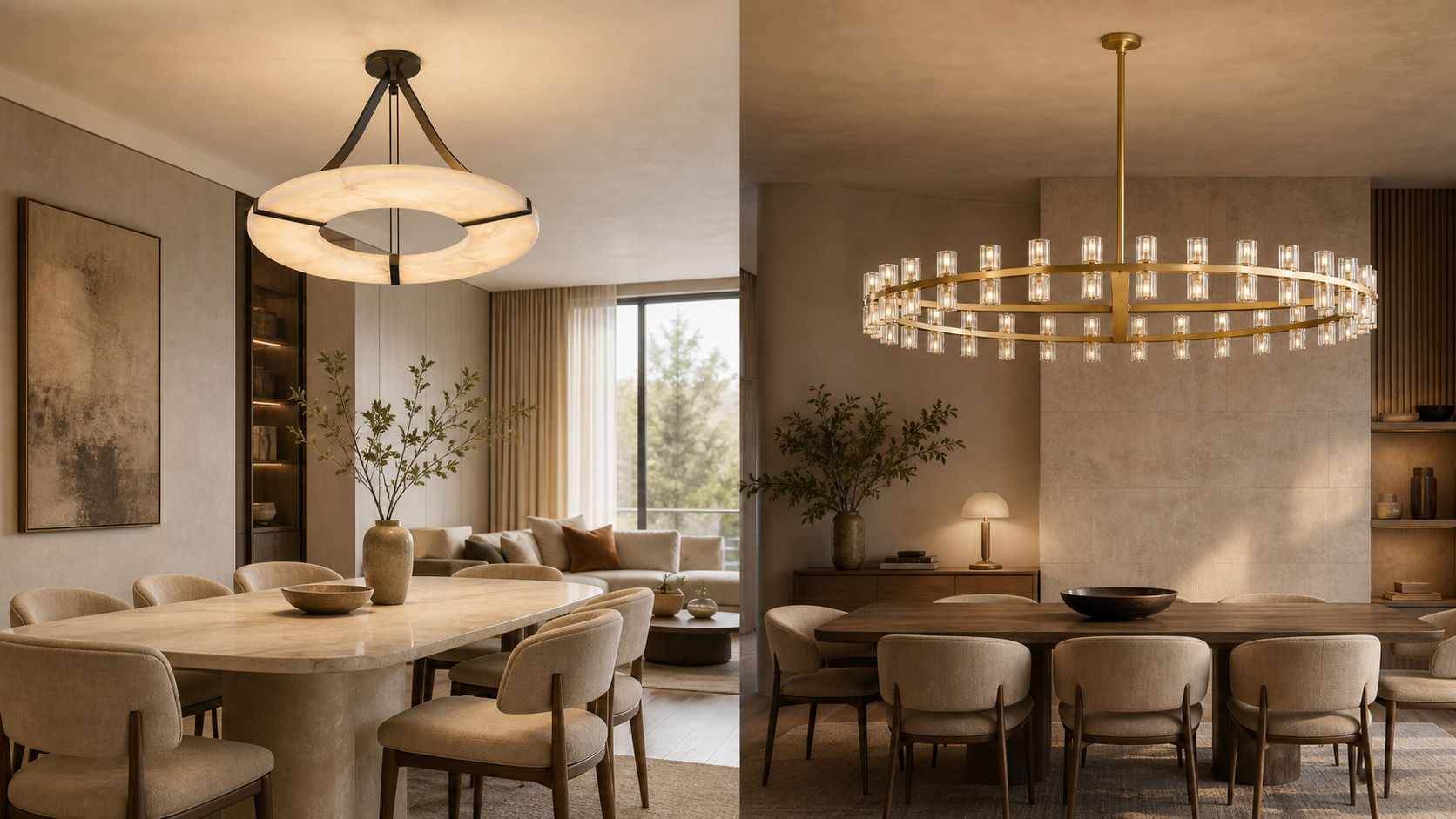
Material changes everything in lighting. Two fixtures can have the same size and shape, yet feel completely different depending on whether they are made with alabaster, glass, crystal, metal, or fabric.
Alabaster and glass are two of the most popular choices for refined interiors. Both can look elegant, but they create different moods. Alabaster feels soft, natural, and sculptural. Glass feels clear, open, and sometimes more sparkling or decorative.
Why material matters in lighting
A light fixture is not only a source of brightness. It affects texture, shadow, warmth, and the overall mood of the room. Material determines how the light diffuses, how the fixture looks when turned off, and how visually heavy it feels in the space.
What alabaster lighting looks like
Alabaster lighting is known for its soft glow and natural stone-like texture. Each piece can show subtle veining, warm color variation, and a sculptural quality that feels calm rather than flashy.
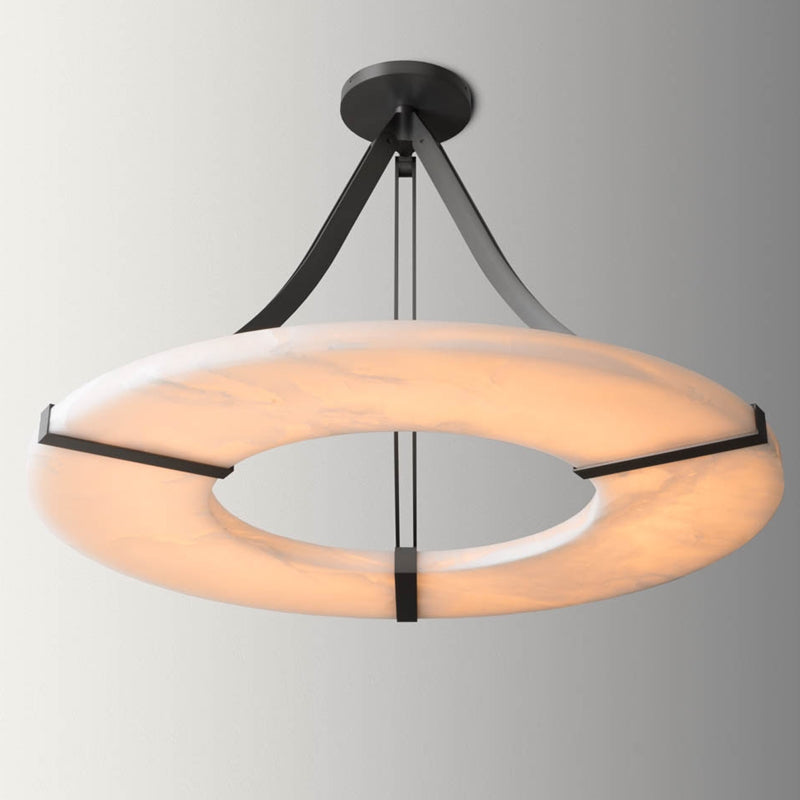
This makes alabaster a strong choice for dining rooms, bedrooms, living rooms, and entryways where the goal is warmth, atmosphere, and a quiet luxury look.
What glass lighting looks like
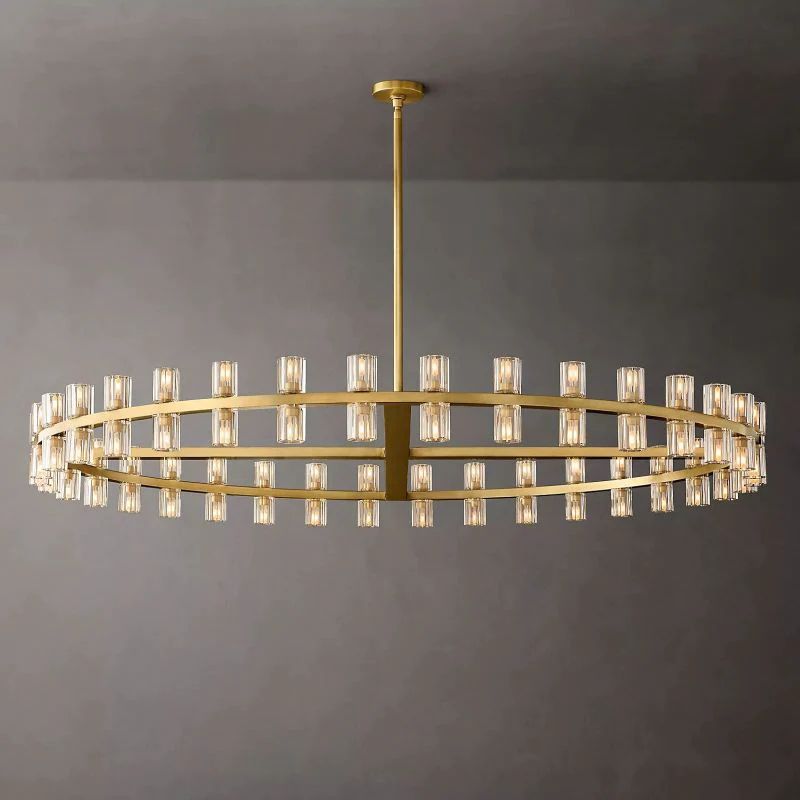
Glass lighting can feel lighter and more transparent. Depending on the design, glass can look minimal, vintage, contemporary, or glamorous. Clear glass feels open and airy, while ribbed, smoked, frosted, or wine-glass-inspired forms add more texture and personality.
Alabaster lighting: soft glow and natural texture
Alabaster is especially appealing when you want lighting to feel calm and architectural. It diffuses light beautifully, reducing harsh glare and creating a warm ambient effect.
Because alabaster has visible texture, it also brings interest to simple interiors. A modern alabaster chandelier or wall sconce can act as an elegant statement piece without looking overly ornate.
Glass lighting: clarity, sparkle, and openness
Glass is a good choice when you want the fixture to feel less visually heavy. It can keep a room open, reflect light beautifully, and add a refined decorative detail without blocking sightlines.
Glass chandeliers and pendant lights often work well over dining tables, kitchen islands, and living spaces where you want brightness, shape, and a more transparent look.
Which material works best for dining rooms?
For a dining room, alabaster is ideal when you want a soft, intimate atmosphere. It pairs well with warm woods, stone tables, upholstered chairs, and neutral interiors.
Glass can be better when the room already has heavier furniture or dark finishes. A glass chandelier can add elegance while keeping the ceiling area visually open.
Which works best for bedrooms and living rooms?
Bedrooms often benefit from alabaster because the glow feels gentle and relaxed. Alabaster wall sconces, pendant lights, or smaller chandeliers can make the room feel warmer in the evening.
Living rooms can work with either material. Choose alabaster for a sculptural, soft-focus look. Choose glass when you want a brighter, more open feeling or a fixture that visually disappears a little more.
Which one should you choose?
- Choose alabaster if you want soft glow, natural texture, and a warm luxury mood
- Choose glass if you want openness, reflection, and a lighter visual presence
- Choose alabaster for bedrooms, cozy dining rooms, and refined entryways
- Choose glass for airy dining rooms, kitchen islands, and spaces with stronger furniture or darker colors
Related lighting collections
To compare styles, browse our alabaster lighting collection, glass lighting collection, chandeliers, and wall sconces.
Final thoughts
Alabaster and glass can both feel elegant, but they solve different design needs. Alabaster brings warmth, softness, and natural texture. Glass brings clarity, brightness, and visual lightness. The right choice depends on the room, the mood, and how much presence you want the fixture to have.
Related lighting guides
Continue planning your lighting layout with these related guides: