
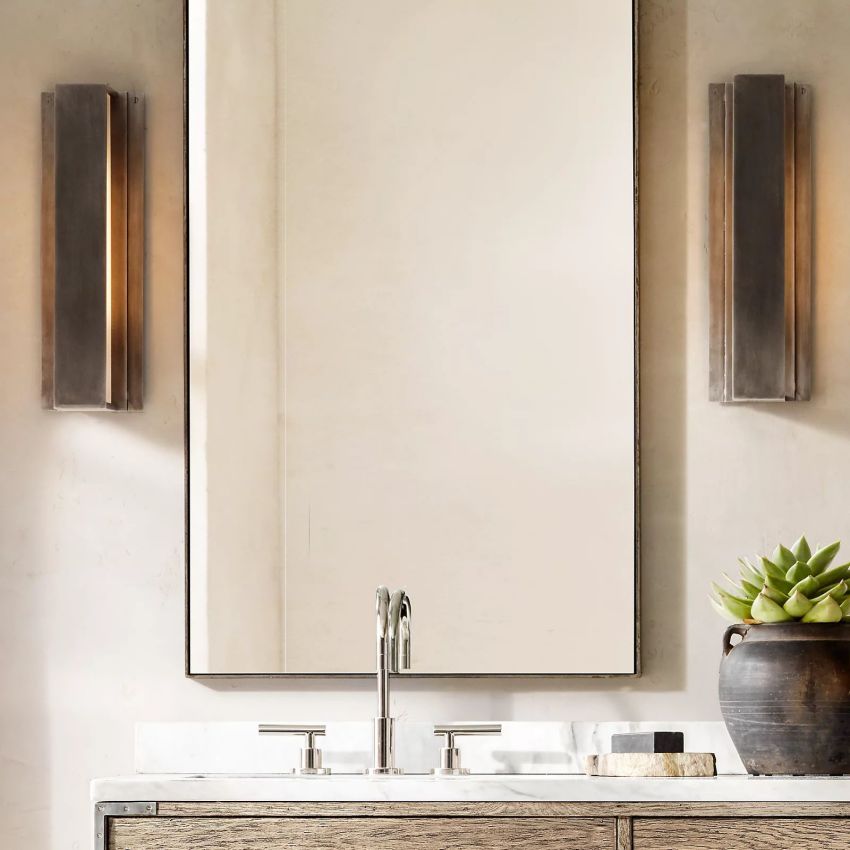
Wall sconces are small fixtures with a big effect. They can brighten a hallway, frame a bed, soften a living room, or add a finished architectural detail to a blank wall.
Unlike chandeliers or pendant lights, sconces sit at eye level. This makes them especially useful for creating warmth, depth, and atmosphere. The right wall sconce can make a room feel more considered, even when the rest of the decor is simple.
Why wall sconces matter
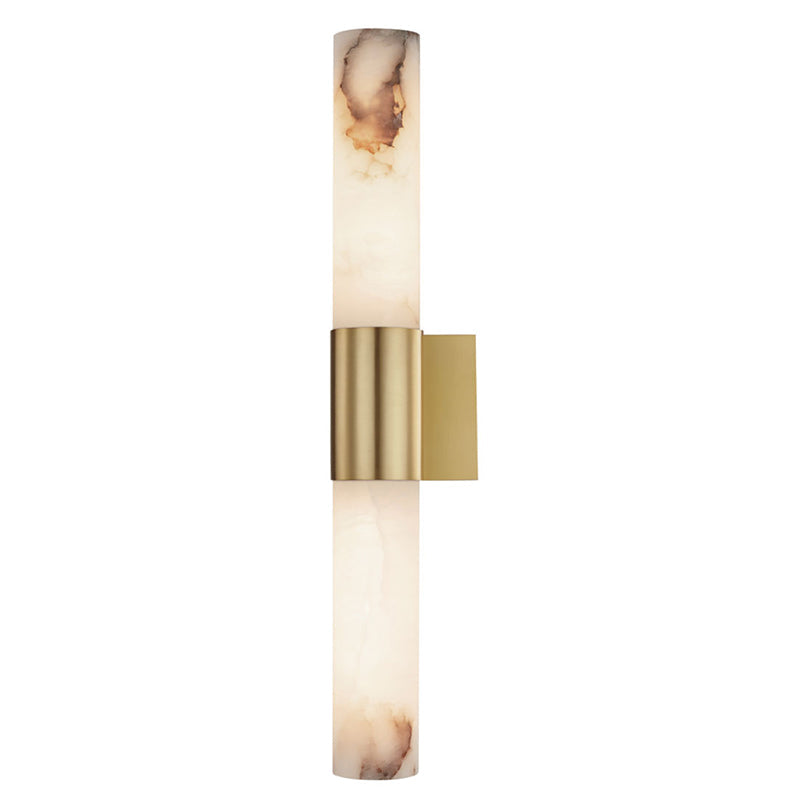
Wall sconces do more than provide extra light. They add a vertical layer to the room, helping the space feel warmer and more dimensional.
In many homes, lighting comes mostly from the ceiling. This can leave the walls and corners feeling dark. Wall sconces help solve that problem by bringing light closer to the human eye, where it feels softer and more natural.
They are also useful when floor space is limited. A wall sconce can replace a table lamp beside a bed, brighten a hallway without adding furniture, or add symmetry around a fireplace or mirror.
Choose the right sconce for the room
The best wall sconce depends on where it will be used. A hallway sconce, bedroom sconce, and living room sconce may all serve different purposes.
For hallways, sconces should provide gentle guidance without feeling too bright or intrusive. For bedrooms, they should feel calm and comfortable. For living rooms, they often work as accent lighting that adds depth and visual balance.
Before choosing a style, decide what the sconce needs to do:
- Add soft ambient light
- Replace a bedside lamp
- Highlight artwork or a mirror
- Frame a doorway or fireplace
- Bring warmth to a long hallway
This will help you choose the right size, shape, and level of detail.
Wall sconce height: where should they be placed?
A common starting point is to place wall sconces around 60 to 66 inches from the floor to the center of the fixture. This keeps the light near eye level for many rooms.
However, the best height depends on the fixture design and the room. A tall sconce may need to sit slightly higher or lower depending on its proportions. A bedside sconce should relate to the mattress height and how the light will be used while sitting in bed.
For hallways, consistency matters. If you install several sconces along one wall, keep them at the same height so the rhythm feels intentional.
How far apart should hallway sconces be?
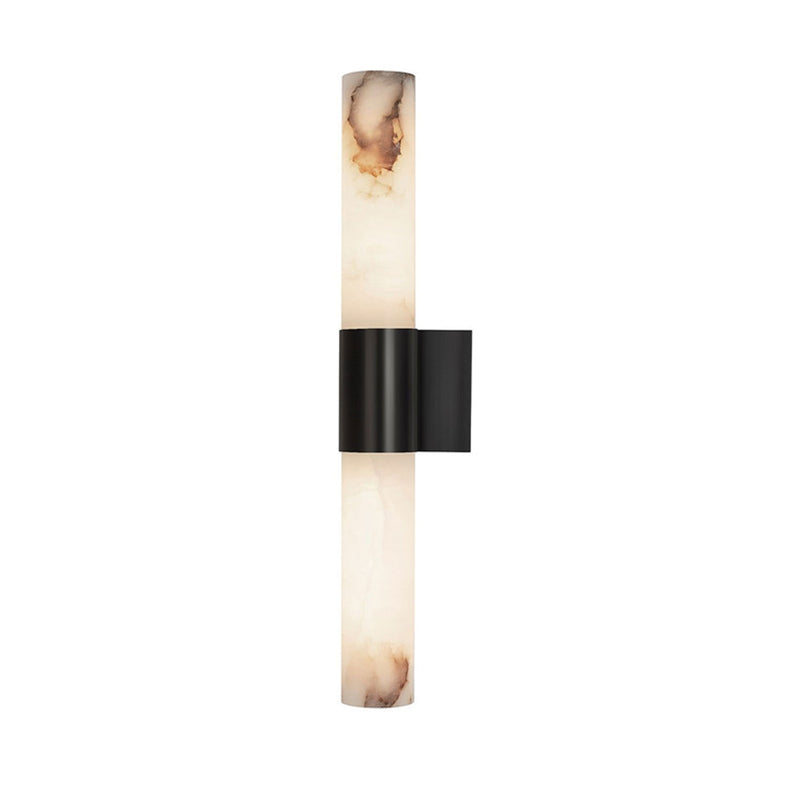
In a hallway, wall sconces usually look best when they are spaced evenly. A common range is 6 to 8 feet apart, but the exact spacing depends on the length of the hallway and the brightness of each fixture.
Avoid placing sconces too close together unless they are very small or decorative. Too many fixtures can make a hallway feel busy. Too few can leave dark gaps.
When possible, center sconces between architectural features such as doorways, windows, or wall panels.
Bedroom wall sconces: comfort comes first
Bedroom sconces are often used beside the bed. They can replace table lamps and keep nightstands visually clear, especially in smaller rooms.
For bedside placement, think about how the light will be used. If the sconce is mainly decorative, it can sit slightly higher and frame the headboard. If it will be used for reading, it should be positioned so the light reaches the book or seating area comfortably.
Choose a fixture that feels warm rather than harsh. Alabaster, glass, fabric shades, or softly diffused designs can work especially well in bedrooms.
Living room sconces add depth
In living rooms, wall sconces are often used to support the main chandelier or ceiling light. They can soften the room, highlight a wall, or make a seating area feel more finished.
Good locations include:
- Beside a fireplace
- Around artwork
- Along built-in shelving
- On either side of a sofa
- Near an entry point into the room
Sconces are especially useful in living rooms that feel flat at night. They create a middle layer of light between the ceiling and the floor.
Match the sconce style to the space
Wall sconces are visible design details, so their style matters. A modern alabaster sconce can feel soft and sculptural. A brass wall sconce can add warmth. A crystal or glass sconce can bring a more decorative, luminous effect.
The fixture should not feel disconnected from the room. Look at the existing finishes, furniture shapes, and level of formality.
For a clean modern interior, choose simple shapes and refined materials. For a more traditional room, a sconce with richer detail may feel more appropriate.
Consider the direction of light
Some sconces cast light upward, some downward, and some in both directions. Others diffuse light through a shade or stone surface.
Upward light can make a wall feel taller and softer. Downward light may work better for task areas. Diffused light is often best for bedrooms, hallways, and living spaces where comfort matters more than brightness.
Before choosing a fixture, think about whether you want the sconce to provide practical light, decorative glow, or both.
Use pairs for symmetry
Pairs of sconces can create a calm, balanced look. This works especially well around beds, mirrors, fireplaces, artwork, and entryways.
Symmetry makes the room feel more intentional, but it is not always required. In a hallway or along a large wall, repeated sconces can create rhythm instead.
The key is to make the placement feel planned rather than accidental.
Avoid choosing sconces that are too small
Because wall sconces are mounted vertically, scale is easy to underestimate. A fixture that looks large in a product photo may feel modest on a wide wall.
Before buying, compare the fixture height and width with the wall area. For a large bedroom, tall hallway, or spacious living room, a slightly more substantial sconce may feel more elegant.
Small sconces can still work beautifully, but they need the right context.
Final thoughts
Wall sconces are one of the most effective ways to make a room feel warmer, softer, and more complete. They add light where ceiling fixtures cannot, create depth at eye level, and bring a refined design detail to everyday spaces.
Whether you are lighting a hallway, bedroom, living room, or entryway, choose sconces that match the room’s scale, purpose, and atmosphere. The best choice should feel natural both during the day and after the lights are turned on.
Related Lighting Collections:
- Wall Sconces: https://regionlight.com/collections/wall-lights
- Bedroom Lighting: https://regionlight.com/collections/bedroom
- Living Room Lighting: https://regionlight.com/collections/living-room
- Alabaster Lighting: https://regionlight.com/collections/alabaster
Related lighting guides
Continue planning your lighting layout with these related guides: