
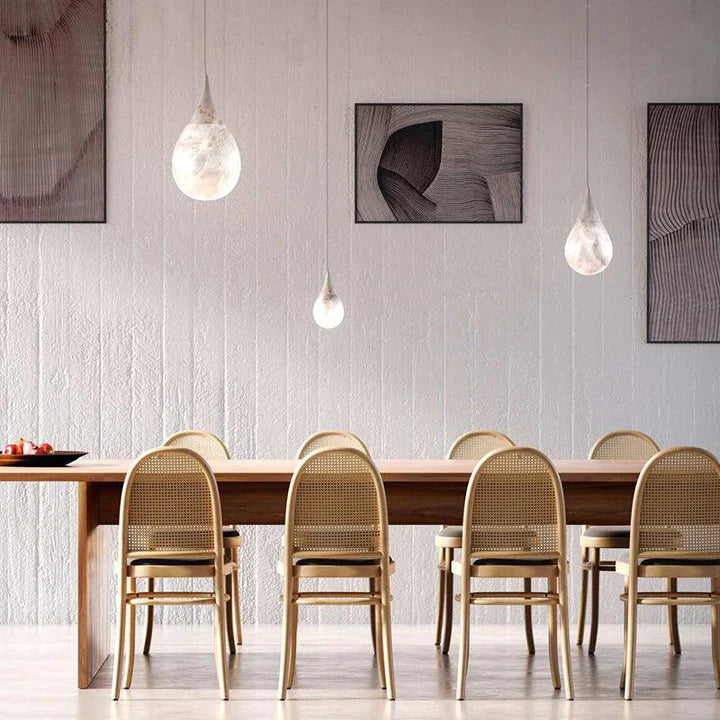
Lighting can completely change how a living room feels. The same furniture, colors, and decor can look flat under one overhead light, but warm, balanced, and inviting when the room has several layers of illumination.
The goal is not simply to make the room brighter. A well-lit living room should feel comfortable in the evening, flattering for conversation, practical for reading, and visually interesting from more than one angle. This is where layered lighting becomes essential.
What does layered lighting mean?
Layered lighting means using more than one type of light in the same room. Instead of relying on a single ceiling fixture, the space combines ambient lighting, accent lighting, and task lighting.
Each layer has a different purpose:
- Ambient lighting provides the general glow of the room
- Accent lighting adds depth, highlights walls, artwork, or architectural details
- Task lighting supports practical activities such as reading or relaxing
When these layers work together, the living room feels more complete and less harsh.
Start with the main ambient light
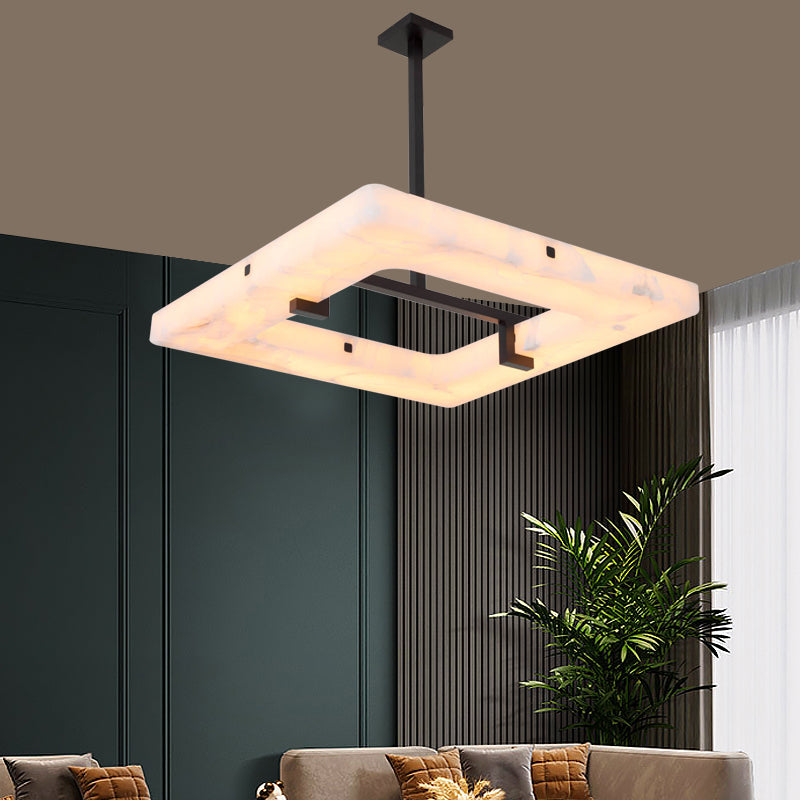
The first layer is usually the main overhead fixture. In many living rooms, this may be a chandelier, pendant light, ceiling light, or flush mount depending on ceiling height and room size.
A chandelier works especially well when the room needs a central focal point. It can visually anchor a seating area and make the room feel more intentional. For taller ceilings, a larger chandelier or multi-tier design can help fill the vertical space. For lower ceilings, a compact ceiling light or flush mount may feel more comfortable.
Explore our living room lighting collection if you are comparing fixtures for the main ambient layer.
Use chandeliers to create a focal point
Chandeliers are not limited to dining rooms or entryways. In a living room, a chandelier can bring structure to the space, especially when placed above the center of a seating arrangement.
The right chandelier should relate to the scale of the room. A fixture that is too small may feel lost, while one that is too large can dominate the ceiling. Consider the width of the seating area, the ceiling height, and the amount of visual detail already present in the room.
Modern chandeliers, glass chandeliers, crystal chandeliers, and alabaster chandeliers can all work beautifully, but the best choice depends on the atmosphere you want to create.
Add wall sconces for depth and warmth
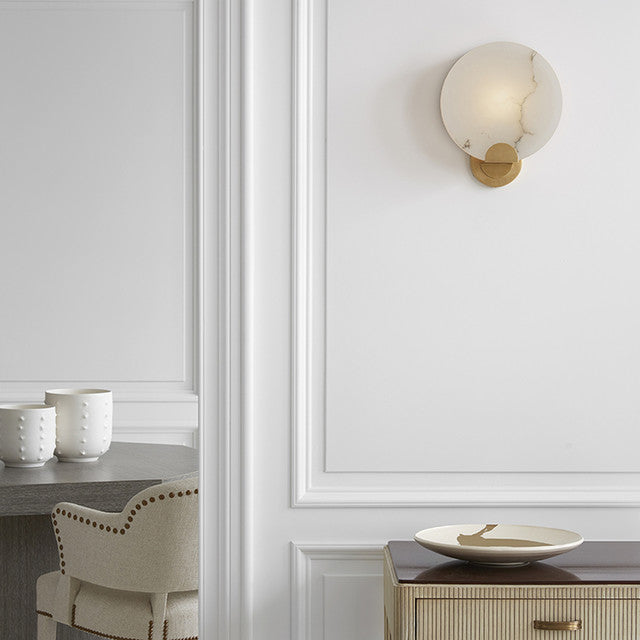
Wall sconces are one of the easiest ways to make a living room feel more layered. They add light at eye level, which helps soften the contrast between the ceiling and the rest of the room.
Sconces work well beside fireplaces, around artwork, along built-in shelving, or on either side of a sofa. They can also make a long wall feel more finished without adding another piece of furniture.
If the room feels bright from above but still visually flat, wall sconces can bring the missing depth.
Bring in table lamps for comfort
Table lamps and floor lamps make a living room feel lived-in and comfortable. They are especially useful in conversation areas, reading corners, and side tables where overhead light alone may feel too general.
Warm lamps can create a softer evening atmosphere and make the room feel more relaxed. They also help balance chandeliers and wall sconces by adding a lower layer of light.
For larger living rooms, try placing lamps at different corners of the room so the glow feels distributed rather than concentrated in one place.
Balance brightness across the room
A common lighting mistake is having one bright area and several dark corners. This can make the room feel uneven, even if the main fixture is attractive.
After choosing the main chandelier or ceiling light, look at the rest of the room. Are there dark walls, empty corners, or shelves that disappear at night? These areas may benefit from sconces, lamps, or accent lighting.
The best living room lighting feels balanced from multiple viewpoints, not just from one seat.
Match the fixture style to the room
Lighting does not need to match every finish in the room, but it should feel connected to the overall design. A black metal chandelier can add structure to a modern room. Brass sconces can bring warmth. Alabaster or glass fixtures can soften the space with texture and glow.
If you mix several lighting types, connect them through at least one shared detail:
- Similar metal finish
- Similar shade shape
- Similar level of detail
- Similar color temperature
- Similar design mood
This keeps the room layered without feeling random.
Choose a warm, comfortable color temperature
For living rooms, warm white light is usually more comfortable than cool white light. A warm glow helps the space feel inviting and relaxed, especially in the evening.
Avoid mixing very different color temperatures in the same room. If the chandelier feels warm but the lamps look cool, the room can feel visually inconsistent.
When possible, keep the main light sources within a similar warm range so the entire space feels cohesive.
Think about how the room is used
A formal living room may need more emphasis on decorative lighting and atmosphere. A family room may need flexible lighting for reading, conversation, television, and daily use.
Before choosing fixtures, think about how people actually spend time in the room:
- Do you read on the sofa?
- Do you entertain guests?
- Is the room connected to a dining area?
- Does it have high ceilings?
- Are there dark corners at night?
The answers will help determine whether the room needs more chandeliers, sconces, lamps, or a combination of all three.
Final thoughts
Layered living room lighting is about creating comfort, balance, and visual depth. Start with a strong ambient fixture, add wall sconces for warmth and structure, then finish with lamps that make the room feel inviting.
When the layers work together, the living room feels polished without becoming overly formal. It becomes a space that looks beautiful in photos and feels comfortable in everyday life.
Related Lighting Collections:
- Living Room Lighting: https://regionlight.com/collections/living-room
- Chandeliers: https://regionlight.com/collections/chandelier
- Wall Sconces: https://regionlight.com/collections/wall-lights
- Table Lamps: https://regionlight.com/collections/table-lamp
Related lighting guides
Continue planning your lighting layout with these related guides: